
Buying our first home was one of those life milestones we had talked about for years. We spent countless evenings scrolling through property listings, imagining where our furniture would go, and discussing the kind of life we wanted to build together. When we finally found our little place in East London, it felt almost unreal. After months of saving, viewing properties and navigating paperwork, we had the keys to our very own home. All that remained was moving day – and we soon discovered that moving house was an adventure in itself.
THE NIGHT BEFORE: BOXES, LISTS, AND LAST-MINUTE PACKING
The evening before the move was a mixture of excitement and mild panic. Although we had started packing weeks earlier, there always seemed to be another cupboard to empty or another drawer full of things we had forgotten existed.
Our living room had become a maze of cardboard boxes, each labelled with its destination room. The kitchen boxes were stacked beside the sofa, while our bedroom was gradually disappearing beneath bags of clothes, bedding and other various belongings. We had even managed to accumulate several boxes marked ‘miscellaneous’, despite promising ourselves that we would be more organised.
One of the most useful things we did was prepare an essentials box. We filled it with the kettle, mugs, tea bags, snacks, phone chargers, toilet rolls, cleaning supplies and a change of clothes. We also kept our important documents, keys and paperwork somewhere safe rather than packing them away with everything else.
Looking back, this small amount of preparation made a considerable difference. Moving day was always going to be busy, but knowing that our most important items were easy to find gave us one less thing to worry about.
Before going to bed, we checked our moving arrangements, confirmed the collection what time the removals van would arrive, and made sure there was a clear path through the house. We still felt too excited to sleep properly, but at least we were ready for the big day.
7:00 AM: THE BIG DAY BEGINS
Our alarm went off early, and suddenly everything felt very real. Today was the day we would leave our old place behind and begin a new chapter in our forever home.
After a quick breakfast, we did one final walk around the property. We checked the cupboards, looked behind doors and made sure nothing had been left in the loft or under the beds. It was surprising how easy it was to overlook small things when most of our attention was focused on the larger pieces of furniture.
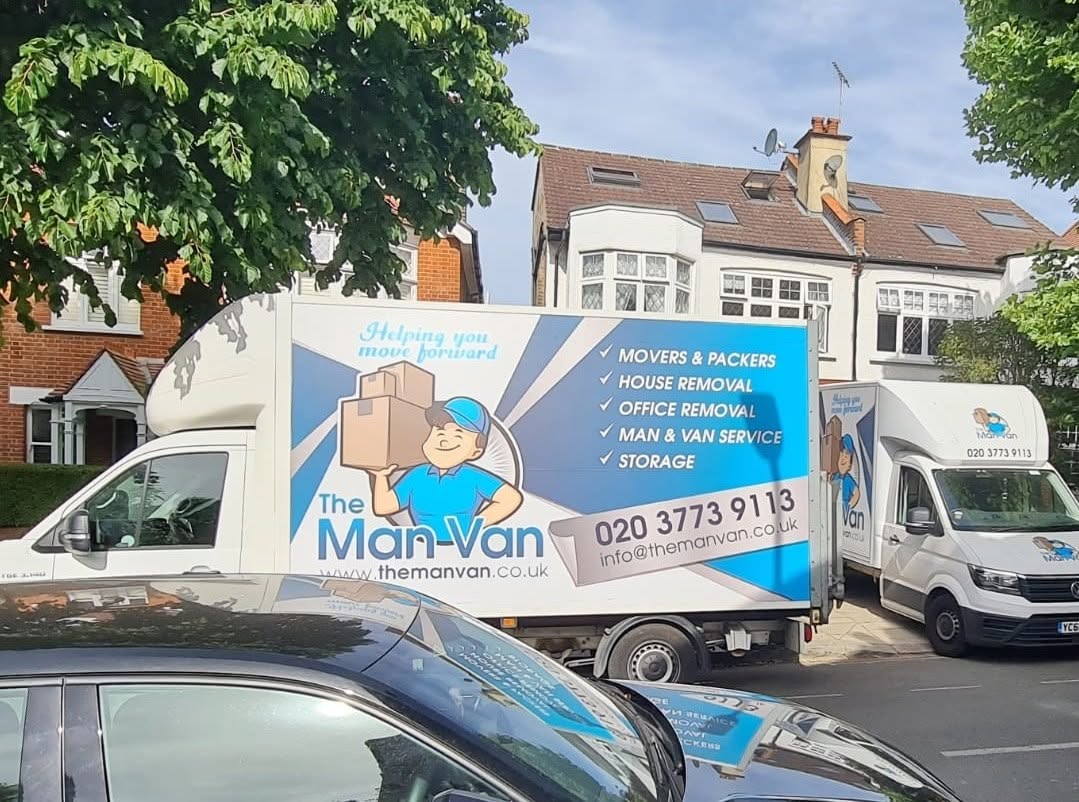
We had arranged professional help with the move because neither of us fancied the prospect of moving a heavy wardrobe or trying to squeeze our mattress into a borrowed car. Finding reliable removals East London support meant we could concentrate on getting everything ready rather than worrying about the logistics of transporting it all ourselves.
Once the van arrived, the day began to gather momentum. Seeing our belongings being loaded carefully made the move feel much more manageable. The furniture was handled with care, and we were able to check that boxes and larger items were accounted for as they went out.
There was still plenty to do, but the sense of organisation helped settle our nerves. Instead of trying to do everything ourselves, we could focus on the details that mattered most.
9:30 AM: LEAVING OUR OLD HOME BEHIND
There was something unexpectedly emotional about closing the door of our old place for the final time. It had been the setting for so many ordinary but important moments: lazy Sunday mornings, takeaway dinners, late-night conversations and the countless little routines that make a house feel familiar.
Although we were excited to move forward, leaving those memories behind was not entirely easy. We stood in the empty living room for a moment, taking it all in before heading out.
The journey across East London gave us time to think about what lay ahead. We talked about where we would put our furniture, what we wanted to decorate first and whether we should order a takeaway for our first evening.
Of course, moving in London comes with practical considerations, too. Traffic, parking restrictions and access to residential buildings can all affect the schedule. Planning the route and making sure there was a suitable place to unload helped us avoid unnecessary complications.
We were keen to get everything delivered without turning a straightforward journey into a stressful experience. Thankfully, the move continued to run smoothly, and before long, we were approaching our new neighbourhood.
11:00 AM: OUR FIRST LOOK AT THE NEW PLACE
Nothing quite compares to opening the front door of your first home with the knowledge that it belongs to you.
We had viewed the property several times, but arriving with the intention of moving in made it feel completely different. The rooms were empty, the light came through the windows beautifully, and we could finally begin to imagine how everything would fit together.
Our first task was to work out where the larger pieces of furniture should go. We had measured the main rooms beforehand, but seeing the sofa, bed and dining table in the actual space helped us make a few last-minute decisions.
We decided to tackle the essentials first. The bed needed to be assembled, the fridge had to be positioned, and the kitchen boxes needed to be accessible. Decorative items could wait until another day.
We were particularly grateful that we had thought about access in advance. Measuring doorways, checking staircases and considering where furniture would sit saved us from unnecessary rearranging. It’s easy to get caught up in the excitement of buying a home, but these small practical details can make moving day far easier.
By late morning, the rooms were beginning to take shape. The house no longer felt like an empty property we had purchased. It was starting to feel like our home.

1:00 PM: SETTLING IN
By lunchtime, we were ready for a short break. We had been on our feet for hours, and the excitement was beginning to compete with hunger and tiredness.
We made a quick cup of tea, found a few snacks and sat among the remaining boxes. It wasn’t the most comfortable lunch we had ever had, but there was something wonderfully satisfying about drinking tea in a home that was finally ours.
Our move also reminded us how important it is to choose help that suits the area and the size of the job. For anyone moving locally, a man and van Stratford service can be a practical option, particularly when transporting furniture, boxes and everyday household belongings between properties.
The type of assistance needed will depend on the move itself. A smaller flat relocation might require a van and help with lifting, while a larger household could need additional movers and more detailed planning. Either way, discussing the volume of belongings, access arrangements and preferred timings beforehand helps everyone understand what is involved.
For us, having a plan meant we could spend less time worrying about the transport and more time thinking about how we wanted our new home to look.
After lunch, we continued unpacking the most important boxes. We made the kitchen usable, arranged our toiletries in the bathroom and found somewhere sensible for the things we needed every day.
We also resisted the temptation to unpack everything immediately. There was no point exhausting ourselves trying to make every room perfect on the first afternoon.
4:00 PM: THE UNEXPECTED LITTLE CHALLENGES
Of course, no moving day would be complete without a few surprises.
One box seemed to contain everything except the item we were looking for, and we spent far too long searching for a screwdriver that had been packed somewhere particularly clever. We also discovered that the furniture looked slightly different in its new surroundings, which meant rearranging the living room more than once.
These small frustrations were reminders that moving house rarely goes exactly according to plan. Even with preparation, there will always be moments when you need to pause, rethink something and carry on.
Our advice to anyone preparing for their first move would be to allow more time than you think you need. Keep essential tools accessible, label boxes clearly and take photographs of complicated furniture arrangements or cable connections before dismantling anything.
It’s also worth keeping a few cleaning products handy. Even when a property looks spotless, you may want to wipe down shelves, clean kitchen surfaces or give the bathroom a quick once-over before unpacking.
Most importantly, remember that the house does not need to be perfect by the end of the day. A successful move is one where your belongings arrive safely, the essentials are accessible and you have enough energy left to enjoy your new surroundings.
6:00 PM: OUR FIRST EVENING IN OUR NEW HOME
By early evening, the van had gone, the essential furniture was in place and the biggest part of the move was behind us.
There were still boxes stacked along the walls, and our living room looked more like a storage area than the comfortable space we had imagined. Nevertheless, the bed was ready, the kettle was working and we could finally sit down without feeling that we should be carrying something.
We ordered takeaway, spread a blanket across the sofa and looked around the room. For the first time all day, we had a chance to appreciate what we had achieved.
We talked about the jobs we wanted to tackle over the coming weeks: painting a bedroom, hanging pictures, finding plants for the windowsills and making the garden feel more inviting. There were plenty of decisions still to make, but they no longer felt like chores. They were opportunities to create something that reflected us.
That evening, we also realised that a home is not created by furniture, decorations or perfectly arranged shelves. It is built gradually through the experiences, routines and memories that develop within its walls.
Our first evening was not glamorous, but it was special. We were tired, surrounded by boxes and still trying to remember which cupboard held the mugs. Yet we couldn’t stop smiling.
LOOKING BACK: A NEW CHAPTER BEGINS
Our first moving day in East London was a mixture of excitement, nostalgia, hard work and a few unexpected challenges. It was not completely stress-free, but with preparation, sensible planning and help with the heavy lifting, it felt far more manageable than we had imagined.
If there is one lesson we would share with anyone preparing to move into their first home, it is to start early, stay organised and avoid putting too much pressure on yourself. Label your boxes, prepare an essentials bag, measure your furniture and confirm the practical details before the day arrives. Most importantly, make time to enjoy the experience rather than treating it as a list of tasks to complete.
Choosing the right moving support can also make a difference. Whether you need assistance with a full household relocation or a smaller local move, planning around your belongings, budget and property access can help everything run more smoothly.
As we switched off the lights on our first night, we knew there was still plenty of unpacking to do. Tomorrow would bring more decisions, more boxes and probably another search for something we had misplaced.
But for now, we were home.
And that was more than enough.
Do you have any other tips or tricks for moving day?
If so, let me know in the comments below.
 Twitter | Facebook | Bloglovin | Instagram | Pinterest
Collaborative Post